Understanding Impact of Hard Water on Home's Plumbing: Comprehensive Overview
Click HereEach person is bound to have his or her own notions on the subject of Hard Water Effects on Plumbing and Solutions.
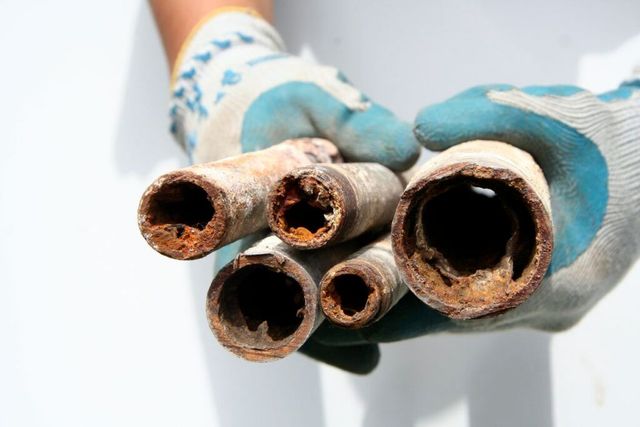
Difficult water, an usual concern in many homes, can have considerable effect on pipes systems. Recognizing these results is crucial for maintaining the longevity and efficiency of your pipes and fixtures.
Introduction
Hard water is water that contains high levels of dissolved minerals, primarily calcium and magnesium. These minerals are harmless to human wellness yet can ruin plumbing infrastructure over time. Allow's delve into how tough water impacts pipes and what you can do concerning it.
What is Hard Water?
Tough water is defined by its mineral content, particularly calcium and magnesium ions. These minerals get in the water system as it percolates through sedimentary rock and chalk deposits underground. When tough water is heated up or left to stand, it has a tendency to develop range, a crusty accumulation that adheres to surface areas and can cause a variety of concerns in plumbing systems.
Influence on Pipeline
Tough water affects pipelines in numerous harmful means, mainly via range buildup, minimized water circulation, and enhanced rust.
Scale Accumulation
Among the most common concerns brought on by hard water is scale accumulation inside pipelines and fixtures. As water flows through the plumbing system, minerals speed up out and adhere to the pipe wall surfaces. Over time, this buildup can narrow pipe openings, resulting in minimized water flow and raised stress on the system.
Minimized Water Circulation
Mineral deposits from difficult water can slowly decrease the diameter of pipelines, limiting water circulation to taps, showers, and home appliances. This reduced circulation not only affects water stress but additionally raises energy consumption as devices like hot water heater should work tougher to provide the exact same quantity of hot water.
Rust
While hard water minerals themselves do not trigger corrosion, they can aggravate existing corrosion issues in pipelines. Scale build-up can trap water against steel surfaces, increasing the corrosion procedure and possibly bring about leaks or pipe failing over time.
Home appliance Damages
Beyond pipes, difficult water can additionally harm home devices attached to the water supply. Home appliances such as hot water heater, dishwashers, and washing devices are especially susceptible to range build-up. This can lower their performance, rise upkeep prices, and reduce their life expectancy.
Expenses of Difficult Water
The economic ramifications of difficult water extend past plumbing fixings to consist of boosted power bills and early home appliance replacement.
Fixing Expenses
Managing difficult water-related concerns can be costly, specifically if scale accumulation causes pipe or home appliance failing. Routine upkeep and very early detection of troubles can assist minimize these costs.
Power Performance
Range accumulation decreases the effectiveness of water heaters and other appliances, bring about higher energy usage. By resolving tough water issues promptly, house owners can boost power performance and decrease utility bills.
Evaluating and Treatment
Evaluating for hard water and implementing ideal treatment steps is vital to alleviating its effects on pipelines and devices.
Water Softeners
Water softeners are one of the most common option for treating difficult water. They work by exchanging calcium and magnesium ions with sodium or potassium ions, efficiently lowering the firmness of the water.
Various Other Treatment Choices
Along with water conditioners, various other treatment choices include magnetic water conditioners, reverse osmosis systems, and chemical additives. Each technique has its benefits and viability relying on the extent of the difficult water issue and household needs.
Safety nets
Protecting against tough water damages requires a mix of positive maintenance and thoughtful component option.
Routine Maintenance
Routinely purging the plumbing system and evaluating for range accumulation can help stop costly repair work down the line. Routine checks of home appliances for signs of range build-up are likewise crucial.
Selecting the Right Fixtures
Going with plumbing components and home appliances designed to endure tough water problems can reduce its results. Search for items with corrosion-resistant products and easy-clean features to reduce maintenance requirements.
Final thought
Finally, the influences of hard water on pipelines and appliances are significant but workable with appropriate understanding and safety nets. By comprehending exactly how tough water impacts your pipes system and taking proactive steps to mitigate its impacts, you can expand the life of your pipelines, boost power effectiveness, and lower maintenance prices over time.
Understanding Hard Water and Its Composition
The Effects of Hard Water on Plumbing
Hard water leaves its mark on plumbing systems in several ways. Mineral deposits can accumulate inside pipes, reducing water flow and pressure. This can lead to clogged pipes and a reduction in the efficiency of your water heater and other appliances. The impact of hard water on your plumbing is not just a matter of reduced performance — it can also translate to increased maintenance costs and premature system failures.
Does Hard Water Damage Appliances?
Absolutely. So, if you’re a homeowner, it’s important to be aware of the effects of hard water on plumbing and appliances. Hard water damage to appliances is a gradual process that affects everything from your water heater to washing machines. The minerals in hard water can build up on internal components, significantly decreasing appliance efficiency and lifespan. For example, heating elements in water heaters and washing machines can become coated with mineral deposits, leading to increased energy consumption and, eventually, failure.
Identifying Hard Water Plumbing Problems
Recognizing hard water plumbing problems early on can save you from costly repairs down the line. Signs include reduced water flow, spots on dishes, stains on plumbing fixtures such as faucets and your shower head, and increased soap scum buildup. If these issues sound familiar, it’s likely that hard water is to blame.
How to Combat Hard Water
Now that you’re conscious of the effects of hard water on plumbing and appliances, it’s time to take action. The battle against hard water and its impact on your plumbing and appliances isn’t futile. There are effective strategies and solutions to mitigate these problems.
Water Softeners: The Ultimate Defense
A water softener system is your best defense against hard water. By replacing hard minerals with sodium ions through an ion exchange process, water softeners can prevent scale buildup and protect your plumbing and appliances. Regular maintenance of your water softener system ensures its effectiveness and longevity.
Alternative Methods and Maintenance Tips
For those looking for additional ways to combat hard water, consider vinegar solutions for cleaning appliances and shower heads. Additionally, flushing your hot water heater annually can help remove sediment and mineral buildup. However, these methods are more about managing symptoms rather than solving the root cause.
The Role of Professional Services
Sometimes, the scale of hard water issues exceeds the capacity of DIY solutions. This is where professional services come in. Companies like Pure Plumbing specialize in diagnosing and addressing hard water problems, from installing water softeners to conducting regular maintenance checks.
https://www.pureplumbingdfw.com/blog/the-impact-of-hard-water-on-your-plumbing-and-appliances/
We hope you enjoyed reading our article on How Hard Water Affects Your Plumbing. Many thanks for finding the time to read our blog post. Do you know about somebody else who is looking into the niche? Do not hesitate to promote it. Thanks a bunch for being here. Kindly pay a visit to our blog back soon.
Find Out More